
78 Main St A, Netcong, NJ 07857

Closing the Gap a Missing Tooth Leaves Behind
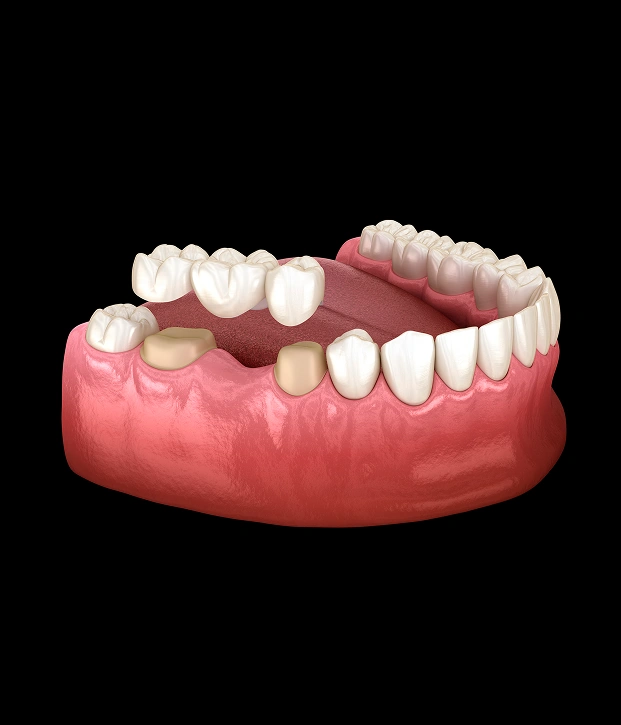
A dental bridge is a fixed restoration that replaces one or more missing teeth by anchoring a false tooth, or teeth, to the natural teeth or implants on either side of the gap. Unlike a removable partial denture, a bridge is permanently cemented into place, functioning and feeling much like your natural teeth once it is fitted.
At Gibney Dental Associates in Netcong, NJ, dental bridges are a common solution for patients who have lost a tooth to decay, injury, or extraction and want a permanent, non-removable option to restore their bite. Beyond simply filling a visible gap, a bridge also helps prevent the surrounding teeth from shifting out of position, a common problem that develops when a missing tooth is left untreated for too long.
Procedure Duration: 1 to 2 visits

Sedation Options: Local anesthesia, laughing gas (nitrous oxide), anti-anxiety medication
What Is a Dental Bridge?
A dental bridge is a fixed dental restoration used to replace one or more missing teeth. It works by anchoring a false tooth, called a pontic, to the natural teeth or dental implants on either side of the gap. Unlike a removable partial denture, a bridge is permanently cemented in place, so it functions and feels much like your natural teeth once it is fitted.
Bridges are typically recommended when a patient has lost a tooth to decay, injury, or extraction and has healthy teeth on either side of the gap capable of supporting the restoration. Beyond simply closing a visible gap, a bridge also helps maintain proper bite alignment and prevents the surrounding teeth from drifting into the space, which is a common issue when tooth loss goes untreated for too long.
Who Is a Candidate for a Dental Bridge?
A dental bridge may be a good option if you have:
- One or more missing teeth with healthy natural teeth on either side of the gap
- Sufficient bone support around the teeth that will anchor the bridge
- A preference for a fixed, non-removable restoration over a removable denture
- Healthy gums, with no active or untreated gum disease
- Teeth adjacent to the gap strong enough to support crowns as anchor points
For patients without strong natural teeth on either side of the gap, an implant-supported bridge or an implant denture may be a better fit, which our team can evaluate during your consultation.

What Happens When You Get a Dental Bridge
Getting a dental bridge at our Netcong office typically takes two visits, allowing time for your custom bridge to be crafted to fit precisely.
01.
Exam and Preparation of Anchor Teeth
The dentist examines the area, takes any necessary X-rays, and reshapes the teeth on either side of the gap to support the crowns that will anchor the bridge.
02.
Digital Impressions
We take precise digital impressions of the prepared teeth, the gap, and your bite, ensuring your custom bridge fits accurately and functions naturally.
03.
Temporary Bridge Placement
While your permanent bridge is being fabricated, a temporary bridge protects the prepared teeth and maintains normal appearance and function.
04.
Permanent Bridge Placement
Once your custom bridge is ready, we remove the temporary, check the fit and bite alignment, and permanently cement the new bridge into place.
How Long a Dental Bridge Typically Lasts
With consistent oral hygiene and regular dental visits, a dental bridge can last 10 to 15 years, and some patients see them last even longer. Because a bridge relies on the health of the anchor teeth supporting it, keeping those teeth and the surrounding gums healthy is essential to the bridge's longevity. Flossing under a bridge requires a slightly different technique than flossing between natural teeth, and our team will walk you through the right method to keep the area clean and prevent decay from developing at the anchor points.
Insurance, Financing, and Membership Options for Dental Bridges
Most dental insurance plans provide partial coverage for dental bridges when tooth replacement is considered necessary for oral health and function. Our team verifies your specific benefits before treatment so you understand your out-of-pocket cost in advance. For patients without insurance, our in-house membership plan includes discounted pricing on bridges and other restorative treatments. We also offer financing through Cherry and CareCredit for patients who would rather spread the cost of treatment over time.
Don't Let a Missing Tooth Affect Your Bite
A gap left by a missing tooth rarely stays the same over time. Surrounding teeth can shift, your bite can shift out of alignment, and chewing can become less comfortable the longer the space is left untreated. Schedule a consultation at Gibney Dental Associates to find out if a dental bridge is the right way to restore your smile.